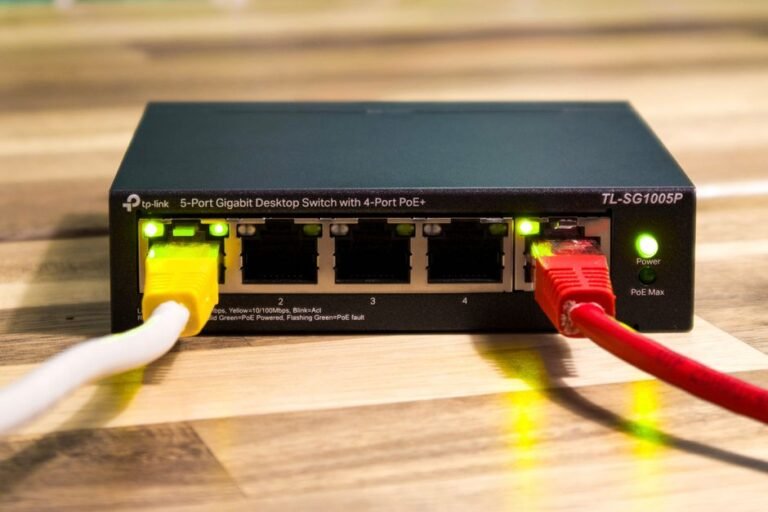
Experience ultimate stability worldwide. Get your Buffer-Free IPTV Server with 99.9% uptime and instant secure activation. View Plans → iew Plans →


Choosing a reliable IPTV service can feel overwhelming, especially when the market is flooded with providers making bold promises they rarely keep. Whether you are a cord-cutter looking for a budget-friendly alternative or a streaming enthusiast chasing premium content, the quality of your IPTV experience depends entirely on the provider you choose. Understanding the 7 Reliability Criteria to Consider before making your purchase will save you time, money, and a great deal of frustration. At Zenova TV, we believe every subscriber deserves transparency, performance, and genuine value.
Why Reliability Matters More Than Price in IPTV
Many first-time IPTV buyers are lured in by dirt-cheap monthly rates, only to discover that buffering, channel dropouts, and poor customer support make the service essentially unusable. Internet Protocol Television (IPTV), as defined by global broadcasting standards, relies heavily on server infrastructure, bandwidth management, and content licensing. A provider cutting corners on any of these elements will inevitably deliver an unreliable experience. That is why knowing the 7 Reliability Criteria to Consider is not just helpful — it is essential.
The 7 Reliability Criteria to Consider When Evaluating Any IPTV Provider
Below, we break down each criterion in detail so you can make an informed, confident decision before spending a single dollar on any streaming subscription.
1. Server Uptime and Infrastructure Quality
The backbone of any trustworthy IPTV service is its server uptime. A provider should guarantee at least 99.9% uptime, meaning your service stays live and responsive around the clock. Ask about redundant servers, data center locations, and load-balancing technology. Providers who invest in multiple server clusters across different geographic regions are far less likely to experience total service outages. This is one of the most critical of the 7 Reliability Criteria to Consider because without stable servers, nothing else matters.
2. Stream Quality and Resolution Options
A reliable IPTV provider should offer streams in multiple resolutions, including SD, HD, Full HD, and ideally 4K Ultra HD. Stream quality should remain consistent even during peak viewing hours. Look for providers that use adaptive bitrate streaming technology, which automatically adjusts video quality based on your current internet speed without causing playback interruptions. Consistent picture clarity across hundreds of channels is a non-negotiable standard.
3. Channel Library Size and Legitimacy
Not all channel lists are created equal. Some providers inflate their numbers by adding dead links or duplicate streams. When applying the 7 Reliability Criteria to Consider, always verify that channels are fully functional, legally licensed where applicable, and regularly updated. A legitimate provider will offer a diverse library covering sports, news, entertainment, international content, and premium movie channels without unauthorized rebroadcasting of protected content.

4. Customer Support Availability and Responsiveness
Technical issues happen, even with the best services. What separates a trustworthy provider from a fly-by-night operation is the quality of its customer support. Look for providers offering 24/7 live chat, email ticketing, and detailed knowledge bases. Response time should be under a few hours for critical issues. If a provider has no visible support channel or takes days to respond, consider that a serious red flag when applying the 7 Reliability Criteria to Consider to your evaluation process.
5. Free Trial or Money-Back Guarantee
Any confident, honest IPTV provider will offer you the chance to test their service before committing to a long-term plan. Whether it is a 24-hour free trial or a 7-day money-back guarantee, this commitment signals that the provider stands behind the quality of their product. Avoid providers who refuse to offer any form of trial period, as this often indicates awareness of service deficiencies they would rather you discover after payment. You can explore what a genuine trial experience looks like by visiting the Zenova TV service overview page, where transparency is a core value.
6. Compatibility Across Multiple Devices
A reliable IPTV service should work seamlessly across a wide range of devices, including smart TVs, smartphones, tablets, laptops, and media streaming sticks. Broad compatibility demonstrates that the provider has invested in developing and maintaining proper apps or M3U playlist support for different operating systems. When working through the 7 Reliability Criteria to Consider, make sure the service supports at least Android, iOS, and major smart TV platforms simultaneously.
7. Transparent Pricing and No Hidden Fees
The final criterion in our 7 Reliability Criteria to Consider framework is pricing transparency. A trustworthy provider presents clear subscription tiers, explains exactly what is included at each level, and does not bury fees in the fine print. Beware of providers who offer suspiciously low prices as introductory bait-and-switch tactics. Genuine value comes from honest, consistent pricing matched by consistently excellent service delivery.
Putting All 7 Reliability Criteria to Consider Into Practice
Now that you understand each benchmark, the next step is applying them systematically before subscribing. Create a simple checklist based on the 7 Reliability Criteria to Consider and evaluate every candidate provider against it. Read independent user reviews on forums and social media. Watch video demonstrations of real-time stream quality. Ask providers directly about their uptime guarantees and server infrastructure. The more due diligence you apply upfront, the more satisfying your long-term streaming experience will be.
At Zenova TV, we have built our service around every single one of these standards. From enterprise-grade servers delivering ultra-low latency streams to a responsive support team available whenever you need assistance, we are committed to being the provider that actually delivers on its promises.
Frequently Asked Questions
Q1: How many devices can I use simultaneously with a reliable IPTV plan?
Most reputable providers, including Zenova TV, offer plans supporting between 1 and 5 simultaneous connections. Always confirm the number of allowed connections before subscribing, especially if multiple household members plan to stream at the same time.
Q2: Does internet speed affect IPTV stream quality?
Yes, significantly. For HD streaming, a minimum of 10 Mbps is recommended. For 4K content, you should ideally have at least 25 Mbps with a stable, low-latency connection. A wired Ethernet connection generally outperforms Wi-Fi for IPTV reliability.
Q3: Are all IPTV services legal?
Not all IPTV services operate legally. Services that redistribute copyrighted content without proper licensing agreements are illegal in most jurisdictions. Always choose a provider that operates transparently within the law. The 7 Reliability Criteria to Consider framework naturally filters out unlicensed providers through its emphasis on legitimacy and transparency.
Q4: What should I do if my IPTV stream keeps buffering?
First, test your internet speed to rule out bandwidth issues. If your connection is strong, the problem may lie with the provider’s servers. Contact customer support immediately. A reliable provider will troubleshoot the issue promptly or offer server alternatives to resolve buffering.
Q5: How often should a quality IPTV provider update its channel list?
A dependable provider should update its channel list continuously, removing dead links and adding new content at least weekly. Regular updates indicate active maintenance and a commitment to delivering a complete, functional service experience.