Experience ultimate stability worldwide. Get your Buffer-Free IPTV Server with 99.9% uptime and instant secure activation. View Plans → iew Plans →


Ensuring Fluidity in 60 FPS Sports Broadcasts: Why Frame Rate Matters
For sports fans, the difference between a smooth, immersive viewing experience and a frustrating, choppy stream can mean everything. Whether you’re watching a last-minute penalty kick, a buzzer-beater three-pointer, or a photo-finish sprint, the clarity and smoothness of motion directly affects how real and engaging the moment feels. That is precisely why ensuring fluidity in 60 FPS sports broadcasts has become one of the most critical priorities for premium IPTV providers like Zenova TV. A 60 frames-per-second stream doesn’t just look better — it fundamentally transforms how viewers perceive fast-moving athletic action.
Understanding 60 FPS and Its Impact on Sports Viewing
Frame rate refers to the number of individual images displayed per second in a video stream. Standard broadcasts typically operate at 24 or 30 FPS, which is adequate for slow-paced content like documentaries or talk shows. However, sports content involves rapid movement, quick direction changes, and split-second moments that demand much higher frame rates to render without blur or judder.
At 60 frames per second, each frame is displayed every 16.67 milliseconds, which means the human eye perceives motion as genuinely fluid. According to the Wikipedia article on frame rate, higher frame rates significantly reduce motion blur and make fast-moving subjects appear sharper and more defined. For sports content specifically, this translates into crystal-clear ball tracking, smoother player movements, and a more lifelike presentation overall.
Why 30 FPS Is No Longer Enough for Live Sports
In the early days of television, 30 FPS was the broadcast industry standard, and it served its purpose well. But as display technology improved and audiences became more discerning, the limitations of 30 FPS became increasingly apparent during live sports. Motion blur during fast panning shots, ghosting around rapidly moving athletes, and a general sense of visual lag all diminish the quality of the experience. Ensuring fluidity in 60 FPS sports streams has therefore become not just a technical goal but a viewer satisfaction imperative.
Technical Challenges Behind 60 FPS IPTV Streaming
Delivering 60 FPS streams reliably over the internet is no small feat. The data requirements for a 60 FPS stream are roughly double those of a 30 FPS stream at the same resolution. This places significant demands on encoding infrastructure, content delivery networks, and the end-user’s internet connection. At Zenova TV, our engineering teams have invested heavily in adaptive bitrate streaming technologies that dynamically adjust stream quality based on available bandwidth, ensuring that ensuring fluidity in 60 FPS sports remains achievable even under less-than-ideal network conditions.
Beyond bandwidth, codec efficiency plays a massive role. Modern codecs like H.265 (HEVC) and AV1 allow high-quality 60 FPS video to be compressed more efficiently than older formats, reducing the data burden without sacrificing visual fidelity. Our platform leverages these advanced encoding standards to maintain sharp, smooth streams across a variety of devices and connection speeds. You can learn more about our streaming infrastructure on our dedicated technical overview page.
Adaptive Bitrate Streaming and Its Role in Smooth Playback
Adaptive bitrate (ABR) streaming is one of the most powerful tools in the modern IPTV toolkit. Rather than committing to a fixed quality level, ABR systems continuously monitor connection speed and automatically switch between quality tiers to prevent buffering. When it comes to ensuring fluidity in 60 FPS sports events, ABR is essential because live sports streams are particularly vulnerable to sudden spikes in viewership demand, especially during major tournaments or championship events where millions of fans tune in simultaneously.
Best Practices for Ensuring Fluidity in 60 FPS Sports Streams
From both a provider and viewer perspective, there are several best practices that contribute to a consistently smooth 60 FPS experience:
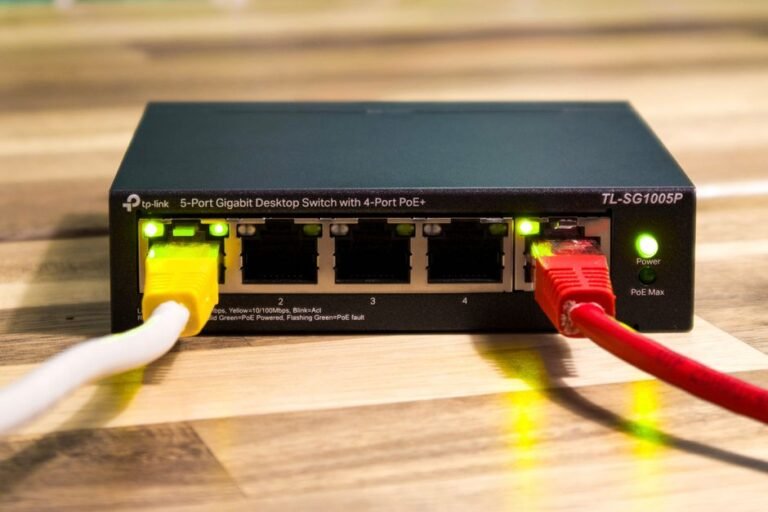
- Wired Internet Connection: Ethernet connections provide more stable throughput than Wi-Fi, reducing packet loss and jitter that can disrupt smooth playback.
- Sufficient Bandwidth: For 1080p at 60 FPS, a minimum of 15-20 Mbps is recommended. For 4K at 60 FPS, speeds above 50 Mbps are advisable.
- Updated Streaming App: Always ensure your Zenova TV app is updated to the latest version to benefit from the most recent performance optimizations.
- Compatible Display Settings: Make sure your TV or monitor is configured to support 60 Hz refresh rates, as a mismatched display can negate the benefits of a 60 FPS stream.
- Closed Background Applications: On smart TVs and streaming devices, background apps can consume processing power and memory, negatively affecting playback smoothness.
Implementing these practices on the viewer side complements everything that Zenova TV does on the infrastructure side, resulting in the best possible outcome for ensuring fluidity in 60 FPS sports broadcasts reaching your screen.
The Future of Sports Broadcasting: 120 FPS and Beyond
While 60 FPS is currently the gold standard for premium sports streaming, the industry is already beginning to explore 120 FPS broadcasts for certain flagship events. Technologies like HDMI 2.1 and next-generation display panels are making 120 Hz playback increasingly common in consumer living rooms. Zenova TV is actively monitoring these developments and laying the groundwork for future ultra-high frame rate support. For now, however, ensuring fluidity in 60 FPS sports remains the primary benchmark that defines premium quality in live sports IPTV delivery.
Frequently Asked Questions
1. What does 60 FPS mean in sports streaming?
60 FPS means the video displays 60 individual frames every second. In sports streaming, this results in significantly smoother motion rendering compared to 30 FPS, making fast-paced athletic actions appear more natural and clear without motion blur.
2. How much internet speed do I need for 60 FPS sports streams on Zenova TV?
For 1080p at 60 FPS, we recommend at least 15-20 Mbps. For 4K at 60 FPS, a stable connection of 50 Mbps or higher is ideal to fully enjoy ensuring fluidity in 60 FPS sports content without interruption.
3. Will older TVs support 60 FPS IPTV streams?
Most modern TVs manufactured after 2015 support 60 Hz refresh rates and can display 60 FPS streams. However, some older models may be limited to 30 Hz, which would cap playback at 30 FPS regardless of the stream quality. Check your TV’s display specifications to confirm compatibility.
4. Does Zenova TV offer 60 FPS for all sports channels?
Zenova TV offers 60 FPS streaming across a wide selection of premium sports channels. Availability depends on the source broadcast quality, as not all broadcasters currently transmit at 60 FPS. We continuously expand our 60 FPS content library as more broadcasters upgrade their infrastructure.
5. What causes buffering during 60 FPS sports streams?
Buffering during 60 FPS streams is most commonly caused by insufficient internet bandwidth, network congestion, or Wi-Fi instability. Switching to a wired Ethernet connection and ensuring adequate download speeds are the most effective steps for ensuring fluidity in 60 FPS sports streaming without interruptions.